Customized Products Business: From Idea to Scalable Online Revenue
What is a customized products business? A customized products business produces made-to-order items tailored with text, artwork, photos, or engravings instead of selling generic stock products.
 Rafael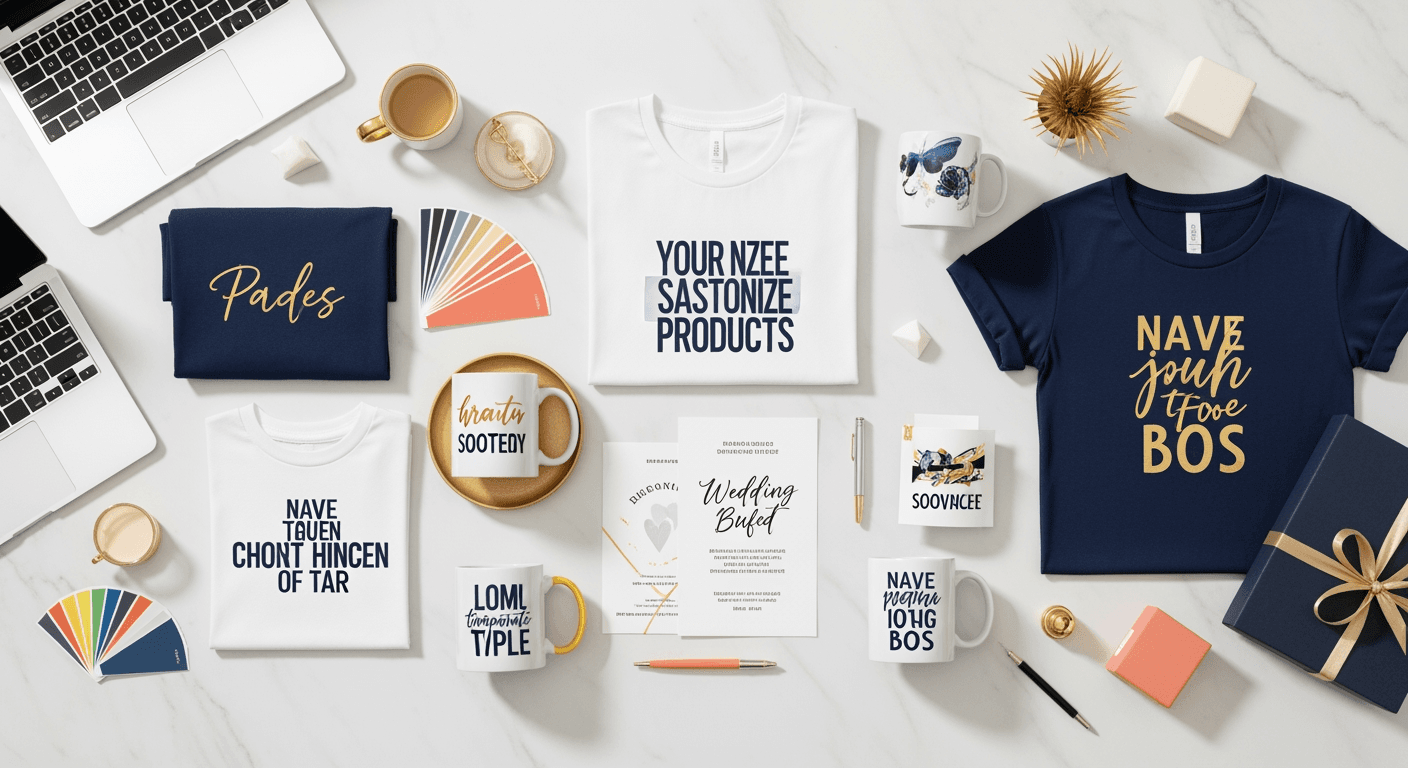
What is a customized products business?
A customized products business produces made-to-order items tailored with text, artwork, photos, or engravings instead of selling generic stock products. Rather than warehousing thousands of pre-made items, you create each product after a customer places an order, adding their name, uploading their logo, or personalizing the design exactly how they want it.
The business model typically relies on on-demand printing, engraving, or embroidery for items like:
- T shirts, hoodies, and polo apparel
- Mugs, tumblers, and drinkware
- Phone cases and tech accessories
- Business cards, invitations, and paper goods
- Signage, plaques, and office decor
- Jewelry, keychains, and engravable gifts
At Chamevo, we focus on the software layer that makes this possible: visual product customization, 3D previews, and print automation for Shopify and WooCommerce stores. Our tools let your customers design their own products directly on your website, then automatically generate production-ready files for your print or engraving equipment.
This model grew rapidly after 2018 with the rise of print-on-demand services and stayed resilient through 2020-2024 thanks to e-commerce growth and the surge in remote gift-giving. Key terms you’ll encounter throughout this space include:
| Term | Definition |
|---|---|
| Product customization | Altering a product’s design, features, or materials to meet specific customer requirements |
| Mass customization | Blending economies of scale with personalization through flexible manufacturing |
| Print-on-demand | Producing items only after an order is placed, eliminating inventory risk |
Why start a customized products business in 2026?
The numbers tell a compelling story. The global personalized gifts market reached USD 30.84 billion in 2024 and is projected to hit USD 63.28 billion by 2032, a 9.4% compound annual growth rate. In the U.S. alone, this market stood at USD 9.69 billion in 2024 and is forecasted to reach USD 14.56 billion by 2030, with clothing capturing over 34% of that share.
Consumer behavior has shifted decisively. Customers are willing to pay 20-30% more for personalized items because they perceive higher value in gifts that feel thoughtful and unique. This applies across occasions:
- Wedding parties ordering custom invitations and favors
- Parents buying personalized baby gifts
- Companies creating branded merchandise for employees and clients
- Sports teams and local clubs ordering custom jerseys and hats
AI image tools and visual product customizers have removed the traditional barriers to entry. You no longer need deep design skills or coding knowledge to offer sophisticated personalization options. A customer can upload a photo, and AI automatically removes the background and upscales the resolution, all within your store’s customization process.
The low-inventory model changes the risk equation entirely. With print-on-demand fulfillment and automated print workflows, you can offer thousands of product variations without stocking a single item. Your money goes into marketing and customer acquisition, not warehouse shelves.
B2B buyers now expect the same experience they get as consumers. Marketing teams at agencies, SMEs, schools, and nonprofits want to preview custom promotional products online before placing bulk orders. They want to upload their logo, see it on a hoodie in their brand colors, and approve the proof in minutes, not days.
Consider two real scenarios: A promotional products company offering custom corporate gifts sees order volume spike every Q4 as companies prepare holiday gifts for clients and employees. A local print shop partners with youth sports leagues to offer personalized team jerseys with player names and numbers. Both are tapping into consistent, repeatable demand.
Types of customized products that sell
The temptation when starting a customized products business is to offer everything: every product category, every personalization option. Resist it. The most successful merchants focus on a few strong categories first, master them operationally, and expand from there.
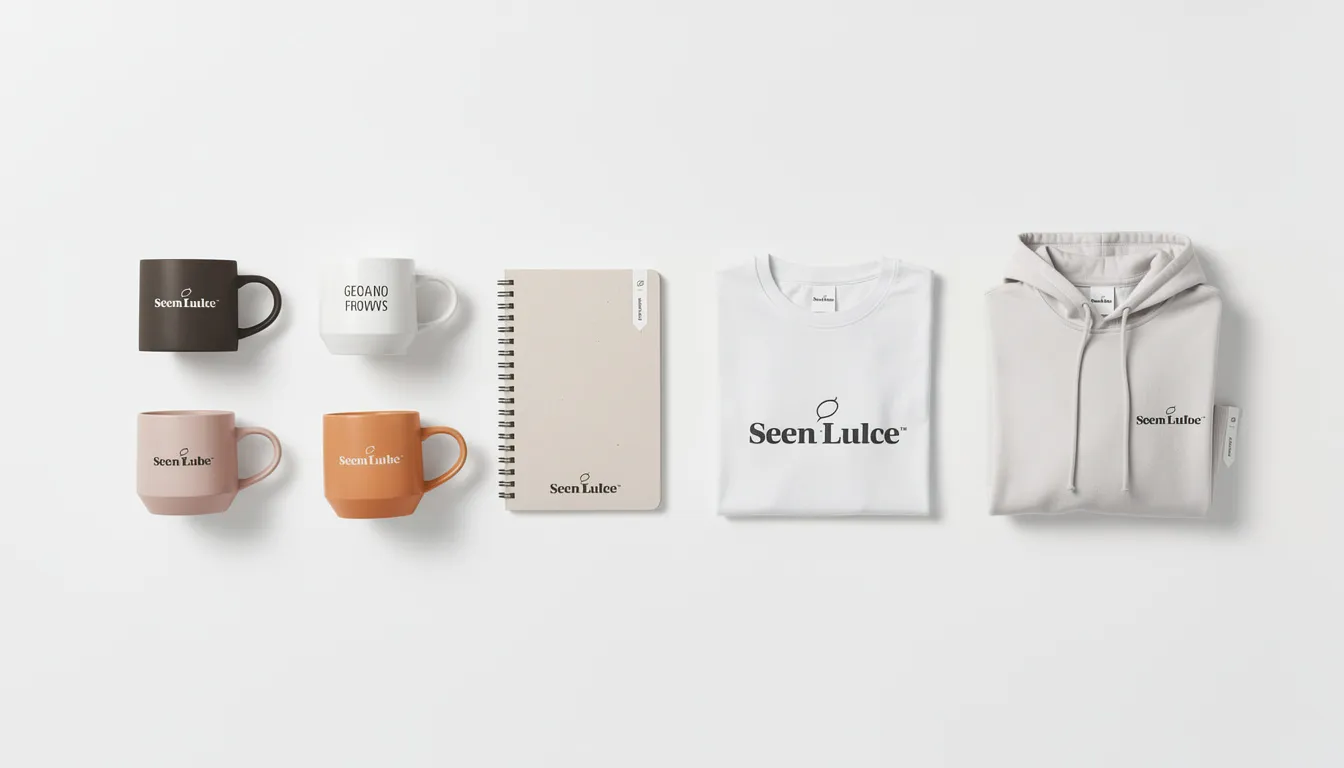
Here are the categories that consistently perform:
Apparel
- T shirts, hoodies, and sweatshirts (the largest segment by revenue)
- Polo shirts for corporate and team wear
- Hats and embroidered caps
Drinkware
- Ceramic mugs with printed photos and text
- Stainless steel tumblers (Stanley-style designs are trending heavily)
- Water bottles for gyms, schools, and corporate wellness programs
Paper Goods
- Business cards and professional stationery
- Wedding invitations and save-the-dates
- Notebooks, journals, and planners
Home & Office Decor
- Canvas prints and wall art
- Desk plaques and nameplates
- Acrylic signs and door hangers
Engravables
- Metal pens with laser-engraved names
- Keychains and jewelry
- Awards, trophies, and recognition plaques
Different categories serve different buyers:
| Buyer Type | Best Categories | Typical Use Cases |
|---|---|---|
| B2C gift buyers | Drinkware, jewelry, photo gifts | Birthdays, weddings, graduations |
| B2B corporate | Apparel, office accessories, drinkware | Employee kits, conference swag, client gifts |
| Creator/influencer | Apparel, phone cases, stickers | Merch drops, fan merchandise |
Trending items for 2024-2026 include custom Stanley-style tumblers, embroidered dad caps, acrylic nameplates for offices and dorm rooms, and personalized tech accessories like laptop sleeves and phone grips.
Business models: custom gifts, merch, and B2B branding
“Customized products” isn’t a single business. It covers multiple distinct models. Choosing one primary focus at launch helps you build expertise, streamline operations, and create focused marketing.
Consumer-Focused Gift Business
This model targets individuals buying personalized items for life events: baby gifts, wedding stationery, pet portraits, memorial keepsakes. Customers typically order one to five units at a time, expect fast turnaround, and value the emotional connection to the product.
- Platforms: Shopify storefront, Etsy shop, or both
- Average order value: $25-$75
- Key differentiator: Beautiful previews and easy customization process
Creator and Brand Merch Business
Influencers, streamers, musicians, and content creators want to sell merchandise to their audience. They need a way to offer limited drops of custom apparel and accessories without holding inventory.
- Platforms: Shopify with print-on-demand integration
- Average order value: $30-$60
- Key differentiator: Speed to market and brand control
B2B Promotional Products Business
Corporate and organizational buyers need branded merchandise in bulk: conference giveaways, employee onboarding kits, client appreciation gifts. Orders range from 50 to 5,000+ units.
- Platforms: Direct sales, custom quote portals, Shopify B2B
- Average order value: $500-$10,000+
- Key differentiator: Proofing workflow and bulk pricing
Many successful merchants run hybrid models: primarily B2C gifts with occasional corporate orders, or merch-focused with a B2B arm for local businesses. The key is understanding how workflow and margins differ:
| Factor | Single-Item Gifts | 500-Unit Corporate Order |
|---|---|---|
| Margin per unit | Higher (2×-4× cost) | Lower (1.5×-2× cost) |
| Production complexity | Simple setup, variable designs | Complex setup, consistent output |
| Customer communication | Self-service via website | Account management and proofing |
| Fulfillment | Ship as completed | Batch and ship together |
Core technology stack for a customized products business
Technology isn’t a nice-to-have in a custom products operation. It’s the backbone that determines whether you can scale beyond a handful of orders per day. The right stack automates repetitive tasks, reduces errors, and creates a professional customer experience.
Store Platform: Learn more about Print Automation | Chamevo
Shopify and WooCommerce dominate the e-commerce landscape for customization businesses. Both offer the flexibility to add product customization apps, manage complex variants, and integrate with fulfillment partners.
- Shopify: Easier setup, robust app ecosystem, higher monthly costs
- WooCommerce: More customization control, lower ongoing costs, steeper learning curve
Most modern custom products businesses standardize on one platform rather than splitting attention between multiple storefronts.
Visual Product Customizer
This is where Chamevo fits into your stack. A visual product customizer provides:
- Browser-based designer that works on desktop and mobile
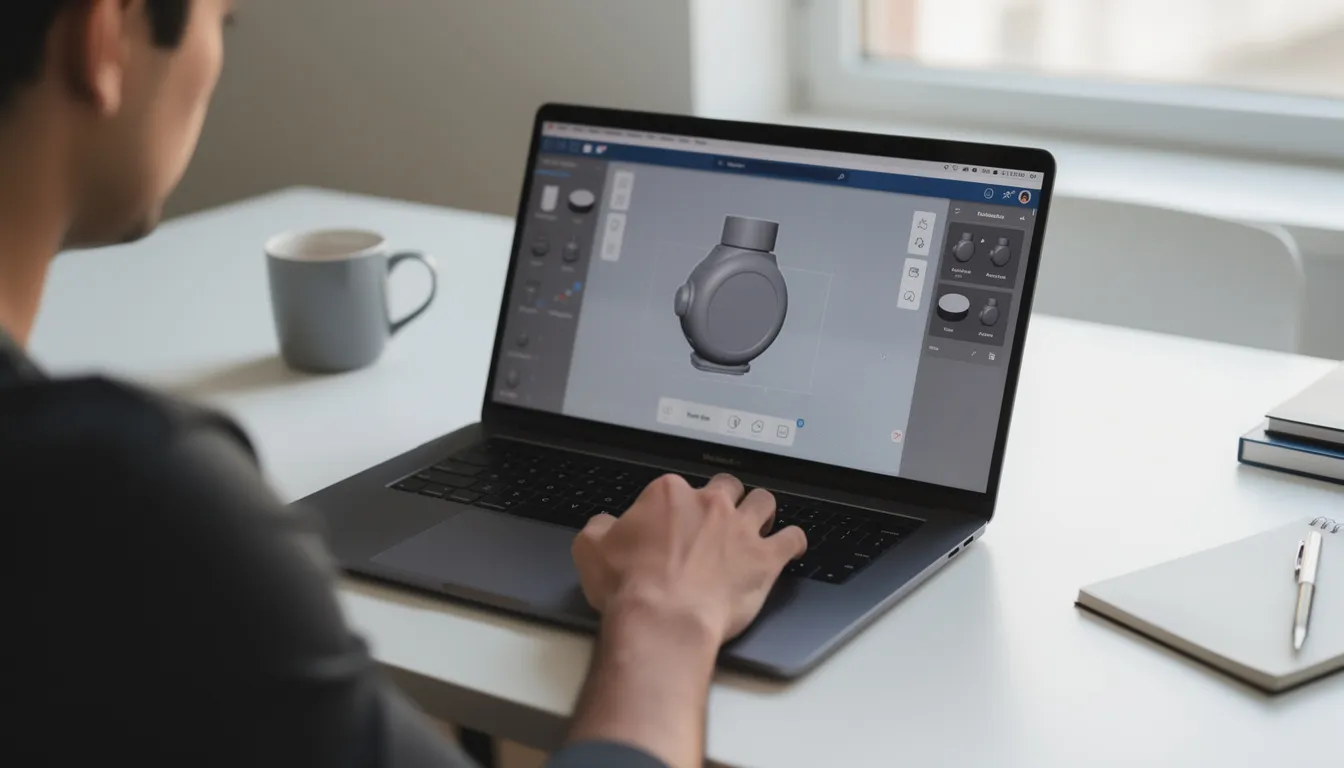
- 2D and 3D previews showing exactly what the customer will receive
- Live pricing that updates as customers add text, upload images, or choose premium options
- Rules for sizing, colors, and placement that prevent design errors
Without a proper customizer, you’re left with “upload a file and hope it looks right” workflows that generate support tickets and reprints.
Print Automation
The gap between customer design and production-ready file is where most customization businesses waste hours. Automation features include:
- Automatic generation of 300 DPI PNGs or vector PDFs
- Proper color profiles and bleed settings
- Order routing to the correct print partner or in-house equipment
- Error detection before files reach production
Integrations
A complete stack connects your customizer to:
- Print-on-demand providers (for outsourced fulfillment)
- In-house RIP software and printer queues (for internal production)
- Engraving and embroidery file formats
- Multi-layer artwork exports for complex designs
Here’s a practical example: A customer visits your Shopify store, selects a custom hoodie, adds their team name and a graphic, and sees a 3D preview rotating to show front and back. They check out. Chamevo automatically generates a production-ready file with correct bleeds and sends it to your DTG printer queue. The entire process from design to print-ready happens in minutes, not hours.
How visual product customization works (with Chamevo)
The old way of selling customized products went something like this: customer emails you a description, you create a mockup in Photoshop, send it back, wait for feedback, revise, repeat until approved. That process doesn’t scale.
Real-time on-screen customization changes the game. The customer handles the design work themselves, guided by rules and constraints you define. They see exactly what they’re getting before they pay.
Step-by-step flow:
- Customer selects a product variant (color, size, style)
- Customer edits text (names, dates, slogans, messages) using fonts you’ve approved
- Customer uploads artwork or generates designs using AI tools
- Live 3D or photorealistic preview updates instantly
- Customer adds to cart with confidence
This workflow does more than save time. It reduces returns because customers see what they’re ordering. It eliminates the back-and-forth that kills margins. It lets you process hundreds of orders without a team of designers creating mockups.
3D visualization is particularly powerful for:
- All-over print apparel where design wraps around seams
- Drinkware showing how artwork curves around the surface
- Gift sets displaying multiple personalized items together
AI imaging capabilities add another layer of efficiency:
- Generate design ideas from text prompts
- Upscale low-resolution customer photos to print quality
- Remove backgrounds automatically before printing
- Suggest color palettes that complement the product
Setting up your customized products store
Going from idea to live store is achievable in 30-45 days if you stay focused. Here’s the chronological process:
Week 1: Choose your niche and validate demand
- Research search volume for your target products using Google trends and keyword tools
- Analyze Etsy and marketplace bestsellers in your category
- Map seasonal events (weddings, graduations, holidays) to product opportunities
- Talk to potential customers about what they’d customize and why
Week 2: Select base products and suppliers
- Source quality blanks for apparel (fabric weight, fit, print compatibility)
- Identify reliable suppliers for drinkware, paper goods, or engravables
- Order samples to test print quality and durability
- Establish pricing from suppliers to calculate margins
Week 3: Build your store foundation
- Set up Shopify or WooCommerce with a clean, conversion-focused theme
- Create essential pages: homepage, product pages, FAQs, returns policy
- Write customization instructions that are clear and jargon-free
- Configure shipping rates and regions
Week 4: Add customization and launch
- Install Chamevo or your chosen product customization app
- Define print areas, safe zones, and bleed margins for each product
- Set allowed fonts, colors, and personalization rules
- Test the full flow from design to checkout to production file
- Soft launch with a focused collection of 5-10 products
Keep your initial catalog tight. It’s better to offer five well-designed customizable products than fifty rushed ones with confusing options.
Pricing, margins, and profitability
Personalization lets you command higher margins than generic products, but only if you control operational complexity. Every hour spent fixing files or handling preventable returns erodes the premium you’re charging.
Calculating landed cost per item:
| Cost Component | Example: Custom Mug | Example: Custom Hoodie |
|---|---|---|
| Blank product | $3.50 | $18.00 |
| Print/production | $2.00 | $7.00 |
| Packaging | $1.00 | $2.00 |
| Shipping (avg) | $4.00 | $6.00 |
| Software/platform fees | $0.50 | $1.00 |
| Total landed cost | $11.00 | $34.00 |
Typical markup ranges:
- Single custom items (B2C): 2×-4× above cost
- Bulk corporate orders (B2B): 1.5×-2× above cost with volume discounts
Using the mug example: a $11 landed cost becomes a $29.95-$44.95 retail price for consumers. The hoodie at $34 cost sells for $68-$95.
Tiered personalization pricing:
- Base price includes standard personalization (name, date, single print area)
- Extra charge for additional print areas (e.g., +$5 for sleeve print)
- Premium pricing for complex artwork or premium materials (e.g., metallic threads for embroidery)
The hidden margin killer is rework. Every time a customer’s file needs manual editing, every reprint due to unclear previews, every support conversation about “that’s not what I expected”. These costs add up fast.
Accurate previews and print-ready file automation protect your margins over time. When customers see exactly what they’re getting and files go straight to production without touching a designer’s hands, your per-order costs stay predictable as volume grows.
Operations and fulfillment workflow
Operational efficiency determines whether your customization business can scale beyond a few dozen daily orders. A clunky process that works at 10 orders per day collapses at 100.
Typical workflow:
- Customer designs product online using your customizer
- Order syncs to your back office (Shopify admin, WooCommerce dashboard)
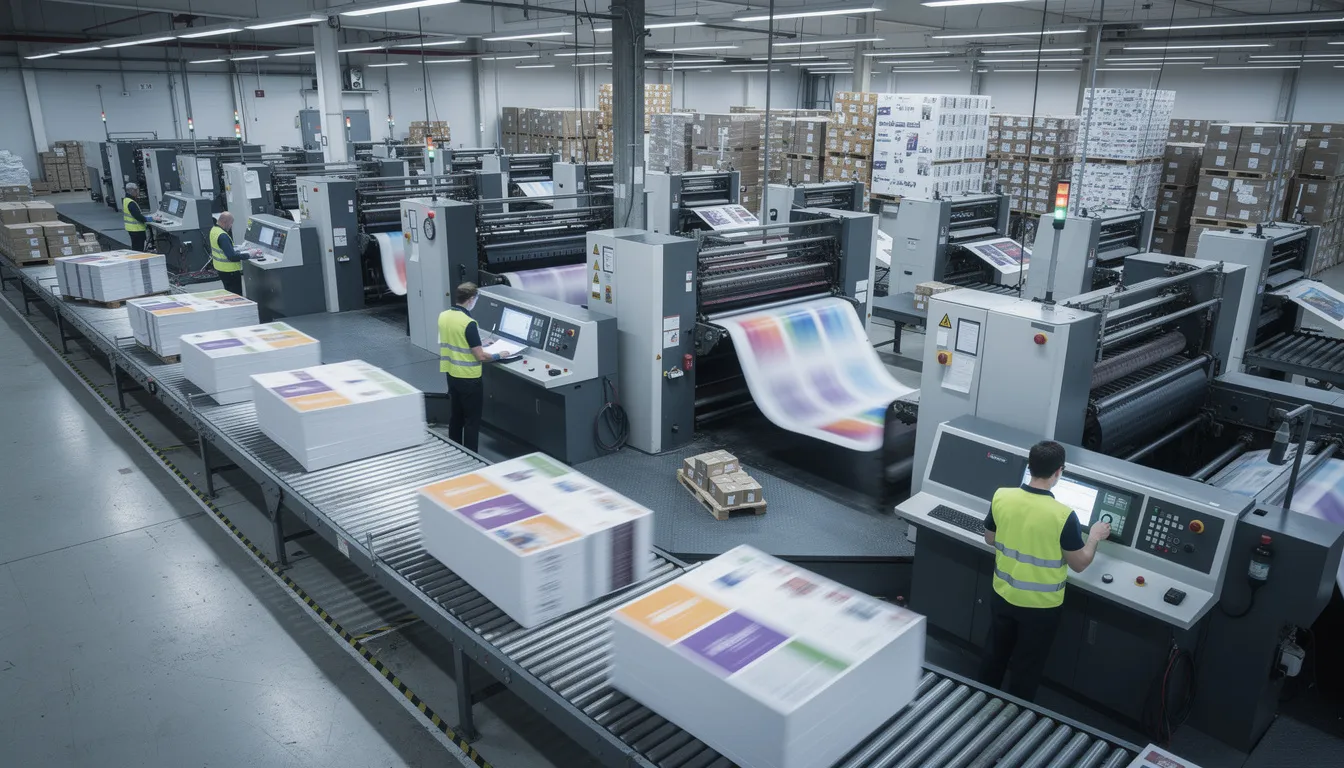
- Artwork automatically generates as production-ready file
- File routes to appropriate production method (DTG printer, embroidery machine, engraving laser)
- Item produced and quality checked
- Packed with any inserts or branding materials
- Shipped with tracking
Fulfillment options compared:
| Approach | Pros | Cons |
|---|---|---|
| In-house equipment | Full quality control, faster iteration, higher margins at scale | Capital investment, maintenance, staffing needs |
| Print-on-demand partners | No inventory, low startup cost, global shipping | Lower margins, less control, potential quality variance |
| Hybrid (core in-house, overflow to partners) | Flexibility, risk distribution | Complexity in routing and quality standards |
Standardizing specifications:
Consistency across production runs requires standardized print specs:
- Color profiles (sRGB for screen preview, CMYK or specific printer profiles for production)
- Margins and safe zones for different product types
- Resolution requirements (300 DPI minimum for photo prints)
- File formats accepted by your equipment or partners
Chamevo helps enforce design rules at the front end, preventing customers from placing text too close to edges, uploading images that won’t print well, or choosing colors that can’t be reproduced. This prevention is far cheaper than correction after the fact.
Marketing customized products: from first sale to repeat customers
Personalization is a powerful marketing hook, but only when communicated clearly across every touchpoint. “Custom” in your product title isn’t enough. Potential customers need to see and understand what’s possible.
Social media strategy:
- Instagram and TikTok: Before/after personalization videos, 3D preview animations, behind-the-scenes production clips
- Pinterest: Styled product photos for gifting inspiration boards
- Facebook: Targeted ads for specific occasions (graduation season, wedding planning)
Show the transformation. A blank mug means nothing; a mug with someone’s wedding date and a photo of the couple tells a story.
Occasion-specific landing pages:
Create dedicated pages targeting high-intent searches:
- “Custom graduation gifts 2026”
- “Personalized employee welcome boxes”
- “Wedding favor ideas with names and dates”
These pages connect with customers at the moment they’re ready to buy.
Email campaigns that drive re-orders:
Personalization creates natural re-engagement opportunities:
- Anniversary reminders: “It’s been one year since you ordered your wedding invitations. Celebrate with matching anniversary gifts”
- Birthday sequences: Prompt gift buyers to return each year
- Company milestone triggers: Remind B2B clients about annual recognition programs
User-generated content:
Nothing sells customized products like seeing real results. Request photos from customers after delivery. Feature them (with permission) on product pages, social feeds, and email campaigns. Real photos from real customers build trust in ways studio shots cannot.
Customized products for B2B: corporate and organizational buyers
Corporate and organizational buyers represent higher-volume, higher-value, and often repeat business. A single company might order promotional items for multiple events throughout the year.
Key B2B use cases:
- Conference and trade show swag (branded tote bags, pens, notebooks)
- Employee onboarding kits (apparel, drinkware, office accessories)
- Holiday and appreciation gifts for clients
- Fundraising merchandise for schools and nonprofits
- Team uniforms and workwear
How visual customization simplifies B2B sales:
Marketing teams and administrators aren’t designers. A visual customizer lets them:
- Upload logo packs in approved file formats
- Lock brand colors so products always match style guides
- Preview items across different colors and styles
- Approve proofs digitally without email attachments
Corporate portals and pre-configured bundles:
For larger clients, consider offering:
- Dedicated ordering portals with pre-approved products
- Bundle configurations (hoodie + notebook + water bottle) where only names or departments change
- Fixed pricing and net terms for account customers
Planning timelines matter:
B2B buyers often work on longer timelines. Q4 gift campaigns need to be planned in August-October to allow for:
- Design approval cycles
- Custom production lead times
- Shipping to multiple office locations or individual employee addresses
Educate your B2B clients about these timelines in your marketing. Position yourself as a partner who helps them plan ahead rather than scrambling at the last minute.
Leveraging AI and automation to scale
AI and automation aren’t experimental technologies in the customization industry. They’re production tools that separate merchants processing 20 orders per day from those handling 200+.
AI use cases in customization:
- Design generation: Customer enters a text prompt; AI generates initial artwork concepts they can refine
- Layout adaptation: Automatically adjust designs to fit different product shapes and sizes
- Color suggestions: AI recommends palettes that complement selected product colors
- Image enhancement: Upscale low-resolution uploads, remove backgrounds, correct colors
Automated quality checks:
Before orders reach production, automation can flag:
- Low-resolution uploads that won’t print clearly
- Text or graphics outside safe margins
- Content that violates policies (trademarks, inappropriate material)
- Missing required fields in personalization
These catches prevent costly reprints and customer disappointment.
Order routing and batching:
Smart automation groups similar jobs for efficiency:
- All black hoodie prints batched together
- Orders routed to the printer with matching ink profiles
- Rush orders flagged and prioritized in queue
- Partner orders automatically sent to the correct fulfillment center
Tools like Chamevo focus on removing friction from the design-to-production pipeline. Owners can grow from dozens to hundreds of daily orders without hiring a large pre-press team to fix files and manage queues.
Legal, quality, and customer experience considerations
Running a customized products business involves specific risks that generic retail doesn’t face. A practical checklist protects your brand and reduces costly mistakes.
Intellectual property:
- Require customers to confirm they own rights to uploaded logos and artwork
- Be especially cautious with fan art, sports team logos, and corporate trademarks
- Consider content moderation for user uploads, either manual review or automated detection
- Include clear terms of service covering IP responsibility
Quality standards:
| Production Method | Key Quality Factors |
|---|---|
| Digital printing | Resolution (300 DPI minimum), color accuracy, fabric compatibility |
| Embroidery | Stitch density, thread quality, design complexity limits |
| Laser engraving | Depth consistency, material suitability, fine detail limitations |
| Sublimation | Full bleed coverage, color vibrancy, fabric type |
Set clear expectations about what’s achievable with each method. Not every design works for every technique.
Returns and corrections policy:
Personalized items typically cannot be resold. Your policy should address:
- Reprints for production defects (your responsibility)
- Customer errors in personalization (customer responsibility, but consider goodwill gestures)
- Damaged items in shipping (carrier responsibility, but you’ll manage the claim)
- Preview accuracy: if the physical product matches the approved preview, returns for “not what I expected” are limited
Building a thorough FAQ:
Anticipate questions about:
- Supported file formats for uploads
- Production and delivery times by product type
- Care instructions for printed or embroidered items
- How to review and approve designs before checkout
How Chamevo supports your customized products business
Chamevo provides an all-in-one product customization toolkit for Shopify and WooCommerce merchants. We focus on doing the basics exceptionally well: clean visual design tools, reliable previews, and production-ready output.
Core capabilities:
- Visual designers: Browser-based editors for text, images, and graphics
- 3D product visualization: Realistic previews that rotate, zoom, and show every angle
- AI-assisted imaging: Upscale photos, remove backgrounds, generate design ideas
- Rules-based personalization: Control fonts, colors, placement, and pricing
- Print-ready file generation: Automatic export with correct resolution, color profiles, and bleed
Strong verticals:
- Apparel personalization (t shirts, hoodies, hats)
- Paper goods (business cards, invitations, stationery)
- Signage and display products
- Engraving and laser-cut items
Integration flow:
- Install Chamevo on your Shopify or WooCommerce store
- Connect products and define print areas for each
- Set rules for what customers can customize
- Customers design in real time with no coding required
- Print-ready files generate automatically at checkout
The result: your customers get a professional design experience, you get files that go straight to production, and everyone saves time.
Explore Chamevo’s free trial to see how visual customization and print automation work for your store.
Next steps: launching your customized products brand
Building a customized products business follows a clear path: choose your niche, set up your store, add visual customization, and refine operations as you learn.
30-day action roadmap:
| Week | Focus |
|---|---|
| Week 1 | Select niche, validate demand, identify 5-10 products to start |
| Week 2 | Source suppliers, order samples, finalize pricing |
| Week 3 | Build store, write copy, create essential pages |
| Week 4 | Install customization tools, test full workflow, soft launch |
Start small and focused:
The merchants who struggle are often those who launch with 50 products across 10 categories. Instead:
- Focus on a tight, well-designed collection
- Master the operational workflow for those products
- Expand only after you’ve proven demand and efficiency
The opportunity ahead:
The personalized products market is projected to grow at nearly 10% annually through 2030. E-commerce maturation, AI tools, and shifting consumer preferences toward unique, meaningful products all support this trajectory.
Merchants who adopt the right technology stack now (visual customization, print automation, AI-assisted design) build a lasting advantage. While competitors are still manually fixing files and emailing proofs, you’ll be processing orders at scale with consistent quality.
Your customized products business starts with a single well-designed product and a customer who says “that’s exactly what I wanted.”